
Drop Shipping Telugu 2026
A Practical, No-Hype Guide to Building a Real Online Business in India
This page is written for Telugu-speaking beginners who want clarity, not confusion.
If you read this entire page patiently, you will:
- Understand what dropshipping really is (and what it is not)
- Know how to choose products logically
- Avoid 90% beginner mistakes
- Learn how Indian dropshipping actually works
- Be ready to start on your own
The course exists only if you want guided execution.
This page exists so you don’t depend on anyone blindly.

1. What Exactly Is Drop Shipping? (No Fancy Definition)
Drop Shipping is not:
- Easy money
- Passive income
- One-click success
Drop Shipping is:
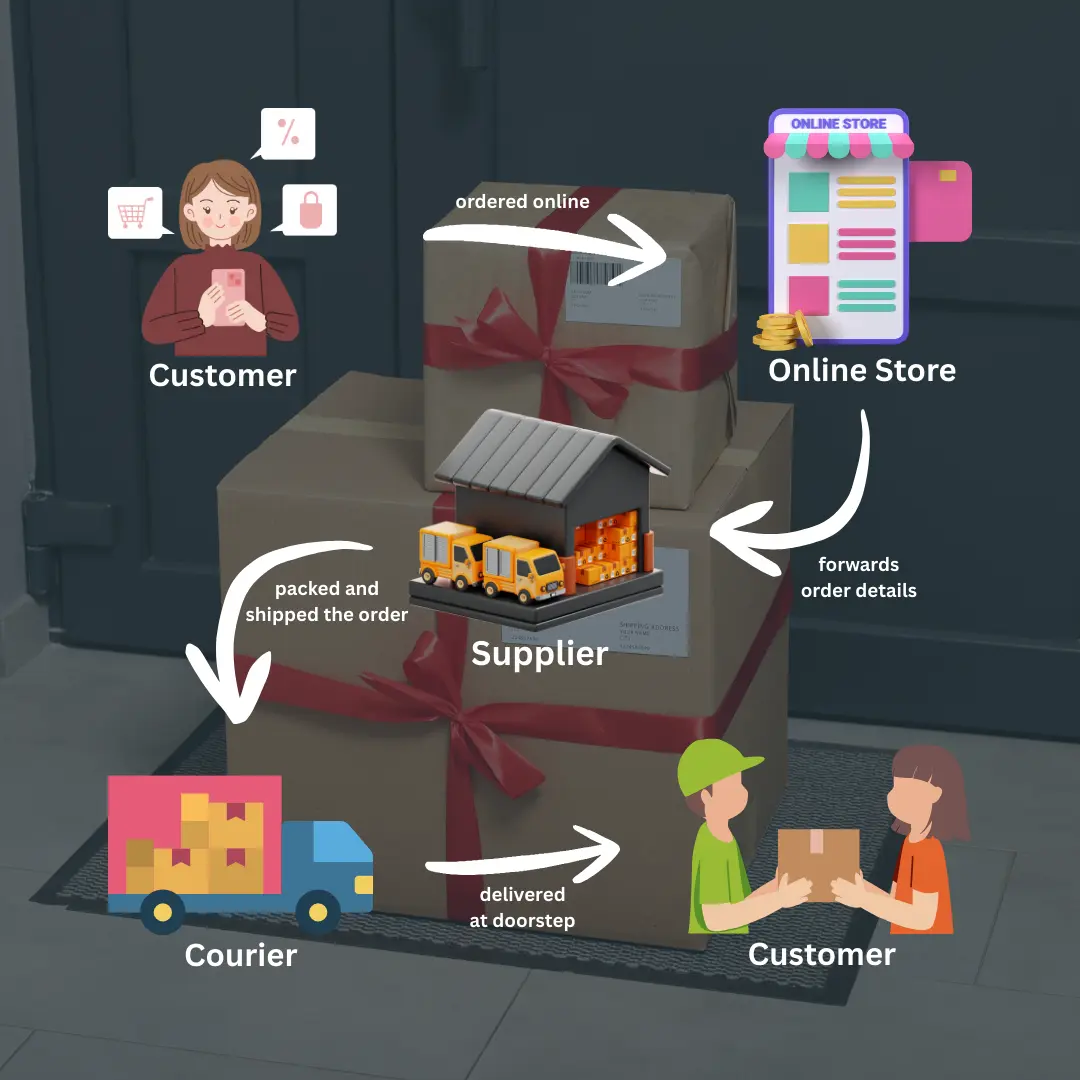
A system where you sell products online without holding inventory, and the supplier ships directly to your customer.
Simple Indian Example:
- You create a website
- You list a product for ₹1,499
- Supplier cost is ₹650 + shipping*
- Customer places COD/online order
- Supplier ships the product
- Your margin = remaining amount after expenses
There is no warehouse, but there is responsibility.
Important truth:
You are not selling “products”.
You are selling trust, clarity, and experience.
2. Dropshipping vs Traditional Business (Reality Check)
Traditional businesses fail because of:
- Heavy upfront investment
- Unsold stock
- Rent + staff pressure
Dropshipping reduces:
- Inventory risk
- Fixed costs
- Entry barrier
But introduces:
- RTO risk
- Supplier dependency
- Customer trust challenges
So the question is not:
“Is dropshipping good or bad?”
The real question is:
“Can I manage systems, communication, and decision-making?”
If yes → Drop Shipping suits you.
3. The Core Truth: Product Decides Everything
Most beginners ask:
“How to run ads?”
“How to build website?”
But real professionals ask first:
“Should this product be sold at all?”
A Good Dropshipping Product Has:
- A clear problem or desire
- Easy explanation in 1–2 lines
- Logical price gap (₹999–₹2,499 works best in India)
- No complex sizing/fit issues (initially)
Bad Products Usually:
- Are generic (non-branded)
- Have too many competitors
- Require physical touch/experience
- Already available in every local shop
4. Understanding Product Demand (Without Guessing)
Demand is not:
- Your personal liking
- Supplier saying “best seller”
- One viral reel
Demand means:
People are already searching, clicking, or buying
How Demand Is Measured (Practically):
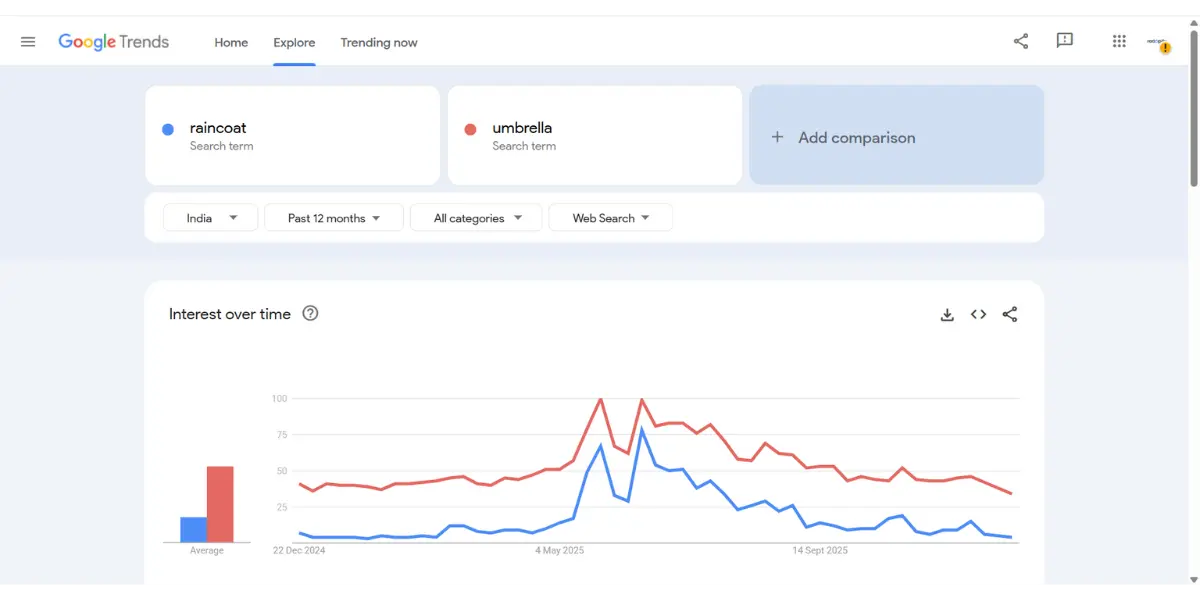
1. Google Trends
Check:
- Rising interest (not flat)
- India-specific data
- Past 12–24 months
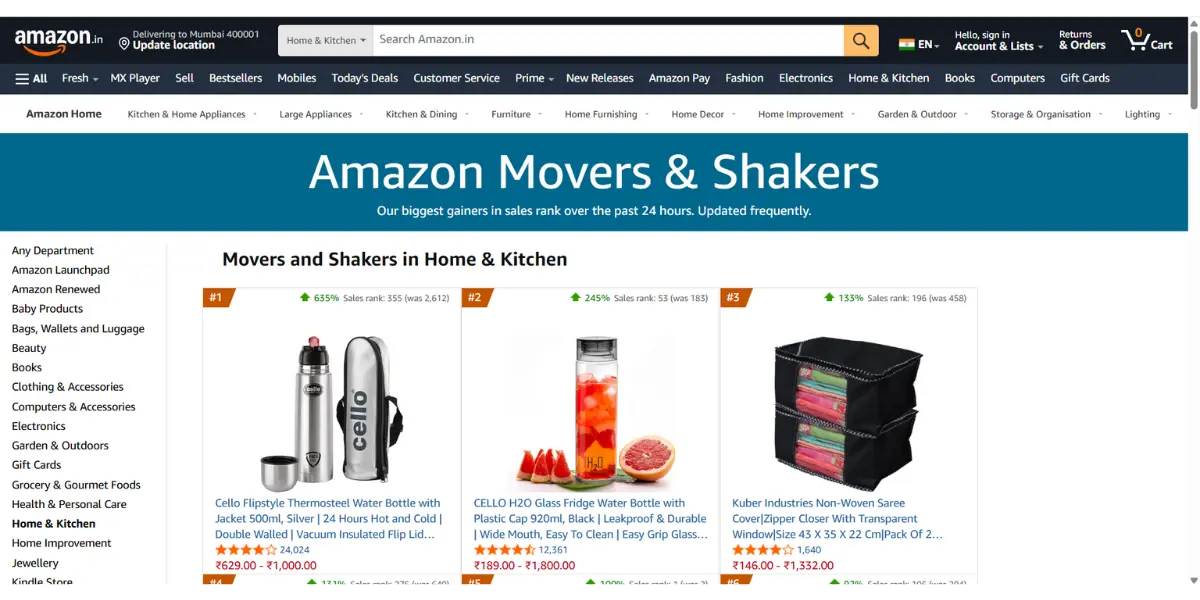
2. Amazon Movers & Shakers
Shows:
- Products suddenly gaining sales
- Real buying behavior
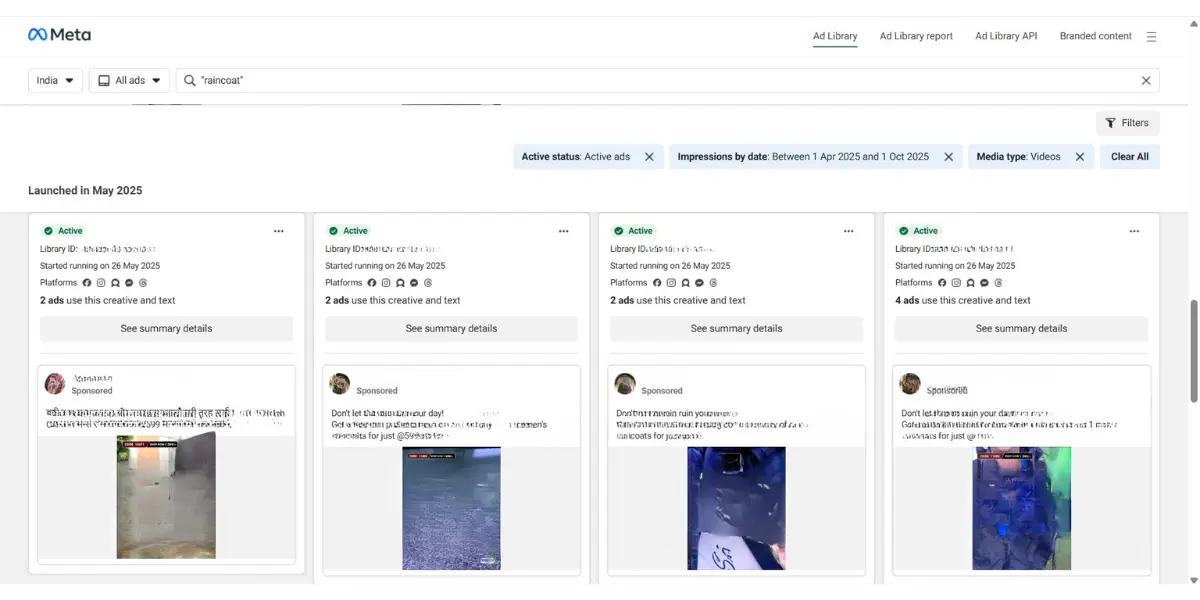
3. Meta Ad Library
If many brands are:
- Running ads for same product
- For more than 60–90 days
→ It usually means profit exists
Demand is visible if you know where to look.
5. Niche Selection (Why ‘Everything Store’ Fails)
A niche is not just a category.
It is a specific group of people with a common problem or interest.
Example:
❌ “Fitness products” (too broad)
✅ “Home fitness for busy professionals”
Why Niche Matters:
- Easier messaging
- Better ad performance
- Higher trust
- Repeat customers
Beginner advice: Start narrow, expand later.
6. Pricing Products the Indian Way
Indian pricing psychology is different.
What Customers Think:
- “Is COD available?”
- “Is price justified?”
- “What if product is bad?”
Practical Pricing Structure:
- Product Cost
- Shipping
- Ad Spend
- Profit Margin
Avoid:
- Overpricing emotionally
- Copying competitor blindly
- Ignoring returns/RTO cost
Margins look small initially — but systems improve margins, not greed.
7. RTO & Returns (The Hidden Killer)
In India, COD = trust + risk.
RTO happens due to:
- Fake orders
- Wrong expectations
- Delayed delivery
- Poor communication
How RTO Is Reduced:
- Clear product description
- Honest delivery timelines
- WhatsApp confirmation
- Simple return policy
You cannot remove RTO completely.
You manage it logically.
8. Product Fulfilment in India (Ground Reality)
Popular fulfilment sources:
- Roposo Clout (speed + trending products)
- IndiaMART (custom sourcing)
What matters is not platform — but supplier communication & reliability.
Checklist:
- Test order first
- Check packaging
- Understand dispatch time
- Clarify return handling
9. Business & Branding (Long-Term Thinking)
Branding is not logo only.
Branding means:
- Consistency
- Transparency
- Clear identity
A brand:
- Reduces ad cost
- Increases repeat sales
- Builds confidence
Even a small dropshipping store can feel professional if:
- Messaging is clear
- Policies are honest
- Support is responsive
10. Legal Pages & Documentation (Why It Matters)
Policies protect you, not just customer.
Essential pages:
- Privacy Policy
- Refund Policy
- Shipping Policy
- Terms & Conditions
Registration:
- PAN
- Aadhaar
- Bank Account
- MSME Certificate (Udyam)
GST:
- Not mandatory on day one for everyone
- Depends on scale
Clarity > Fear.
11. Shopify Store Setup (Why Simplicity Wins)
A good store:
- Loads fast
- Explains product clearly
- Works well on mobile
- Has minimal distractions
Avoid:
- Too many apps
- Fancy animations
- Confusing layout
Focus on:
- Product story
- Trust elements
- Easy checkout
12. Payments & Shipping
Payment gateways:
- Razorpay
- Cashfree
- PhonePe PG
Shipping:
- Bluedart
- Delhivery
- DTDC
- Shiprocket
Understand:
- COD charges
- Weight slabs
- Delivery zones
- Return flow
13. Google Tools (Powerful)
Google Search Console:
- Understand visibility
Google Analytics:
- User behavior
Merchant Center:
- Required for Shopping Ads
These tools don’t make money directly —
they prevent blind decisions.
14. Ads & Social Media
Ads don’t fix:
- Bad product
- Weak pricing
- Poor store
Start ads only when:
- Product logic is clear
- Fulfilment is tested
- Customer communication is ready
15. Using ChatGPT Smartly (Assistant, Not Shortcut)
ChatGPT helps with:
- Drafting content
- Structuring ideas
- Improving clarity
But:
- It doesn’t replace thinking
- It doesn’t understand your customer automatically
Use it as assistant, not decision-maker.
16. Customers Are the Real Asset
One satisfied customer:
- Gives repeat orders
- Builds word-of-mouth
- Lowers future ad cost
Dropshipping success is not one viral sale.
It is consistent trust delivery.
When Would Someone Need a Course?
After reading this page, if someone still feels:
- Overwhelmed
- Unsure where to start
- Afraid of missing steps
Then structured guidance helps.
That’s where the Telugu pre-recorded course exists — not as a shortcut, but as a roadmap with execution clarity.
Final Thought
If you read this fully:
- You already know more than 90% beginners
- You can start today with clarity
- You won’t depend blindly on trends or influencers
Then structured guidance helps.
This page is not written to sell.
It is written so you think correctly.
About the Author
Hi, I’m Rahul Dora, founder of RADOPIFY.
I work with small and medium businesses across India to help them build a strong online presence and grow sustainably. My work mainly focuses on Meta ads, Shopify and WooCommerce store setup, WordPress websites, and high-converting landing pages.
Over the years, I’ve seen what actually works for Indian businesses — and what doesn’t. This platform and content are built to share practical, real-world insights, especially for beginners who want clarity before taking action.
I believe in simple systems, honest guidance, and long-term thinking over shortcuts or hype.

Frequently Asked Questions (FAQs)
Drop shipping business India lo legal ah?
Yes. Drop shipping business India lo legal. Proper policies (Privacy, Refund, Shipping) maintain cheyyali and payment gateways rules follow avvali. GST requirement business scale & turnover batti depend avutundi.
Drop shipping start cheyyadaniki investment entha kavali?
Drop shipping ni low investment business ga start cheyyachu. Domain, hosting, Shopify plan, test ads kalipi ₹15,000 – ₹30,000 lo start cheyyachu.
Beginners drop shipping cheyyacha without experience?
Yes. Drop shipping beginners ki suitable business model. Inventory, warehouse lekapovadam valla risk takkuva. But learning, testing, patience mandatory.
Drop shipping lo product ela select cheyyali?
Product selection is the most important part. Google Trends, Amazon Movers & Shakers, Meta Ad Library vanti tools use chesi real demand unna products select cheyyali. Guesswork avoid cheyyadam better.
India lo COD drop shipping safe ah?
COD drop shipping India lo popular. But RTO (Return to Origin) risk untundi. Clear product description, WhatsApp confirmation, honest delivery timelines valla RTO control cheyyachu.
Drop shipping ki Shopify best platform ah?
Yes. Shopify drop shipping beginners ki easy, stable and scalable platform. Store setup, payment gateway integration, shipping apps anni simple ga manage cheyyachu.
Drop shipping lo profits guaranteed ah?
No business lo profits guaranteed kaadu. Drop shipping lo results depend on product choice, pricing, ads strategy, customer handling and consistency meeda untayi.
Job chestu drop shipping business manage cheyyacha?
Yes. Drop shipping part-time ga start cheyyachu. Initially daily 1–2 hours allocate chesi testing, orders, customer messages manage cheyyali.
Drop shipping course avasaram unda?
Course compulsory kaadu. But structured guidance kavali anukunte, mistakes avoid cheyyadaniki and faster clarity kosam course help avutundi. Self-learning kuda use avutundi.
Telugu lo complete drop shipping guidance dorukutunda?
Yes. Telugu lo drop shipping concepts, tools, Indian market realities explain chese video resources ayte unnayi. Telugu language lo ayte clarity untundi and easy ga decision making cheyachu.